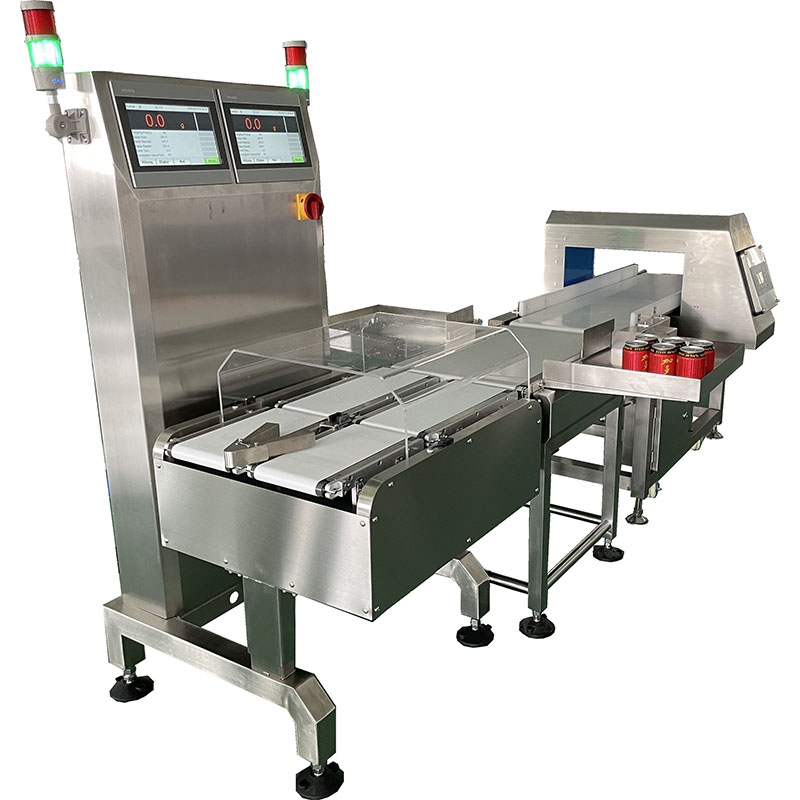
How to Improve Packaging Line Efficiency with an Automatic Checkweigher
Packaging line efficiency affects production cost, output stability, labor use, and overall profitability. In modern manufacturing, even small inefficiencies can create delays, increase waste, and reduce line performance over time.
One practical way to improve line efficiency is by installing an automatic checkweigher. By providing continuous inline weight inspection, a checkweigher helps manufacturers reduce manual checking, improve product flow, and maintain more stable packaging control.
In this article, we explain how an automatic checkweigher can improve packaging line efficiency and why it is an important part of modern automated production.
1. Reduce Manual Inspection Work
Manual weight checking takes time and labor. Operators must remove products from the line, inspect them, record results, and decide whether the weight is acceptable. This process interrupts workflow and reduces overall efficiency, especially when production speed is high.
An automatic checkweigher performs inspection directly on the line, which helps manufacturers:
- Reduce operator workload
- Minimize production interruptions
- Improve inspection speed
- Support more automated operation
Less manual handling means smoother packaging flow and better use of labor resources.
2. Maintain Continuous Product Flow
Efficient packaging lines depend on stable and continuous product movement. If products need to be stopped or sampled too often for manual inspection, line speed can become inconsistent.
An automatic checkweigher weighs products while they move on the conveyor. This inline process helps keep the packaging line running without unnecessary stops. As a result, manufacturers can maintain better throughput and reduce bottlenecks caused by inspection delays.
3. Improve Throughput on Fast Packaging Lines
As packaging lines become faster, inspection systems must keep up with production speed. A slow or inconsistent inspection method can limit overall line performance.
Automatic checkweighers are designed to match line speed and provide stable weighing performance under continuous operation. For higher-output applications, a high-speed checkweigher can help manufacturers inspect more products per minute without sacrificing control.
This is especially important for food, pharmaceutical, and consumer goods packaging environments where line efficiency directly affects productivity.
4. Identify Weight Problems Earlier
Packaging inefficiency is often caused by process drift that goes unnoticed for too long. If filling equipment becomes unstable, product weight may gradually move outside the ideal range. Without continuous monitoring, this problem may only be found after many non-optimized packages have already been produced.
An automatic checkweigher helps detect weight deviations earlier, allowing operators to make adjustments faster. This improves process control and reduces time lost to late corrections.
5. Reduce Rework and Product Handling
When packaging problems are detected too late, manufacturers may need to sort products manually, inspect batches again, or remove non-conforming packages after they leave the main line. This adds time, labor, and extra handling.
By identifying out-of-tolerance products during inline inspection, an automatic checkweigher helps reduce:
- Manual rechecking
- Additional sorting work
- Line disruption
- Non-value-added handling steps
This creates a more efficient and cleaner packaging workflow.
6. Support Better Reject Handling
Efficient packaging lines depend not only on accurate weighing, but also on smooth handling of non-conforming products. Automatic checkweighers can work with reject systems that remove underweight or overweight items without stopping the line.
Common reject methods include:
- Air blast reject
- Pusher reject
- Drop reject
- Swing arm reject
With the right reject system, manufacturers can keep accepted products moving efficiently while separating defective items automatically.
7. Improve Data Visibility for Production Optimization
Better efficiency requires better visibility. Automatic checkweighers can provide useful weight data that helps manufacturers understand how the packaging line is performing over time.
This supports improvements such as:
- Monitoring process stability
- Finding recurring performance issues
- Improving filler adjustment decisions
- Supporting production reporting
When production teams can see how the line performs in real time, they can optimize operations more effectively.
8. Reduce Product Giveaway While Improving Efficiency
Efficiency is not only about speed. It is also about using materials and labor more effectively. Many packaging lines overfill products to avoid underweight risk, which creates hidden cost over time.
An automatic checkweigher helps manufacturers control average package weight more closely and reduce unnecessary giveaway. This means the line can operate more efficiently in both productivity and cost terms.
If reducing overfill is a key goal, you can also explore how automatic checkweigher solutions support tighter weight control.
9. Improve Integration with Automated Packaging Systems
Modern packaging lines rely on connected equipment. A checkweigher should work smoothly with upstream and downstream systems such as fillers, conveyors, labeling machines, and reject devices.
Good integration helps manufacturers:
- Reduce transfer issues between machines
- Improve overall line coordination
- Support more reliable automation
- Optimize packaging system performance
If your application has unique layout or integration requirements, an OEM custom checkweigher solution may be the best option.
10. Support Long-Term Packaging Line Improvement
An automatic checkweigher does not just solve one inspection problem. It becomes part of a broader efficiency strategy for the packaging line. By reducing manual work, improving control, and supporting consistent performance, the system contributes to long-term operational improvement.
Key benefits include:
- Higher line throughput
- Better process consistency
- Lower labor dependence
- Reduced inspection delays
- Improved packaging quality control
Conclusion
Improving packaging line efficiency requires more than increasing machine speed. Manufacturers also need better inspection, smoother product flow, and stronger control over packaging performance. An automatic checkweigher helps achieve these goals through continuous inline weighing and automated rejection of non-conforming products.
For businesses that want to reduce manual inspection, optimize throughput, and improve overall line efficiency, checkweighing is a practical and valuable investment.
To learn more, explore our checkweigher models and specifications, visit our applications page, or contact us for a suitable recommendation.
Frequently Asked Questions
How does an automatic checkweigher improve packaging efficiency?
It improves efficiency by providing continuous inline weight inspection, reducing manual checks, minimizing production interruptions, and supporting smoother product flow.
Is a checkweigher useful for high-speed packaging lines?
Yes. High-speed packaging lines benefit from automatic checkweighers because they can inspect products continuously without slowing production.
Can an automatic checkweigher reduce labor requirements?
Yes. By automating weight inspection and rejection, the system reduces manual inspection workload and supports more efficient use of labor.
What else can a checkweigher improve besides speed?
It can improve product consistency, reduce giveaway, support better data visibility, and strengthen overall packaging line control.